
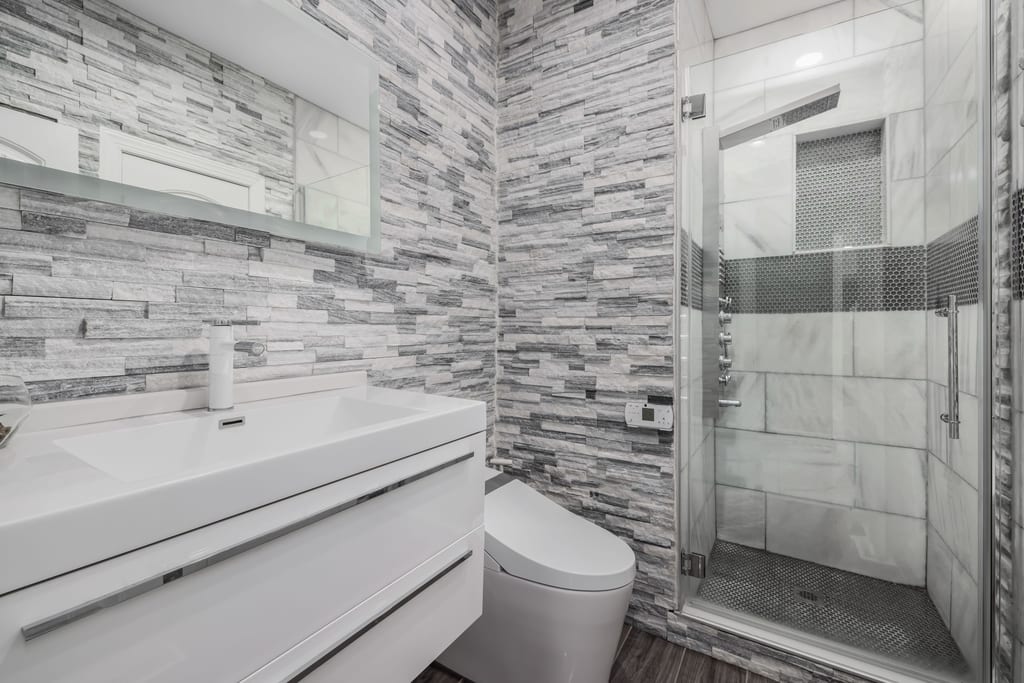
Photo by Curtis Adams on Pexels.
A London bathroom remodel is one of the few household purchases where people still hand over thousands of pounds before they have seen a finished room. That habit is exactly what rogue traders rely on. Between 1 July 2024 and 30 June 2025, the Citizens Advice Consumer Service received 36,534 complaints about home maintenance and improvements - more than 700 a week - and 5,230 of those (14.3%) involved scams or rogue traders. Plumbing alone accounted for 2,629 complaints. The money you release in the first week of a remodel is often the money you never see again if the fitter disappears.
This guide is about payment structure: deposits, staged releases, card protection and the paperwork that makes those protections usable. It sits alongside our notes on choosing a trustworthy bathroom fitter and what a full London bathroom refit involves. Figures below are dated and linked; nothing here invents a typical London price.
What bathroom work is actually costing in 2025–26
Checkatrade’s Home Improvement Index, compiled in July 2025 from nearly four million job enquiries, put the average bathroom-fitting job at £5,525 in Q2 2025, down from £5,758 in Q1 and £6,062 in Q4 2024 - a 9% fall over six months. Separately, Checkatrade’s cost guide (page last updated March 2026 at the time of checking) still lists a typical new bathroom including materials at £5,500–£8,000, averaging about £7,000, with complex high-end work from £14,000. Those are UK platform averages, not a London special, but they set the scale of the deposit you are negotiating. On a £7,000 job, a 40% “materials” demand is £2,800 before strip-out starts - far above the guidance Citizens Advice gives homeowners.
Citizens Advice on deposits: stages, not lump sums
Citizens Advice’s guide Before you get work done on your home is blunt. Aim to pay by card rather than cash, pay in stages, avoid deposits or large upfront payments where you can, and get written protection for money you do release. If a deposit for materials is unavoidable, it suggests offering to buy the materials yourself so you own them if the trader vanishes. Where a deposit cannot be avoided on a long job, it advises pushing the figure down and not agreeing to more than 25%. Always get a receipt that states what the deposit covers.
That 25% ceiling is guidance, not a statute - but it is the clearest public benchmark available to London homeowners, and it is the figure Citizens Advice itself gives. Pair it with a written schedule that ties later payments to visible milestones: strip-out complete, first-fix plumbing signed off, tiling complete, commissioning and snagging done. Our bathroom refurbishment overview walks through those stages from a works point of view; this article is about the money that should move only when each stage is genuinely finished.
Section 75 and chargeback: why the first payment method matters
If any part of a bathroom contract costing between £100.01 and £30,000 is paid on a credit card, Section 75 of the Consumer Credit Act 1974 can make the card provider jointly liable with the trader if the work is not supplied or is seriously defective. MoneyHelper and Citizens Advice both note that paying only the deposit by credit card can still open a claim for the whole cash price of the item or service, not just the deposit. Citizens Advice’s card-refunds guide gives the worked example of a £50 credit-card deposit on a £250 oven - the customer can still pursue the full £250 under Section 75.
Debit-card and some credit-card payments may also qualify for a scheme chargeback if Section 75 does not fit. Cash and unprotected bank transfers usually do not. That is why a fitter who “only takes cash” or who emails fresh bank details the night before a stage payment is a hard stop, not a negotiation point - a theme Citizens Advice flags as a classic warning sign.
What a payment schedule should say in writing
Before you release a bathroom remodel deposit in London, the written contract or quotation acceptance should spell out:
- the total price, what is included, and how variations will be priced and agreed in writing;
- the deposit amount, what materials or preliminaries it covers, and the receipt you will receive;
- named stage payments with objective triggers (for example “first-fix plumbing tested and photographed”, not “when we are ready”);
- retention of a final sum until snagging is signed off;
- start and finish windows, and what happens if the fitter is delayed;
- who buys sanitaryware and tiles, and who carries the risk if a suite arrives damaged.
Ask for Companies House details that match the invoice name, and keep every quote, receipt and photo dated. Citizens Advice’s August 2025 advice for people with shoddy work is to gather paperwork first, then take the problem up with the trader, then use card-provider remedies or alternative dispute resolution if needed. You cannot do any of that cleanly if the only record of a £2,000 deposit is a WhatsApp voice note.
Red flags that should stop a London bathroom payment
- Demands for more than about 25% before materials are on site, especially as cash.
- Refusal to accept card payment for at least the deposit on a job inside the Section 75 band.
- “Limited offer today only” pressure after a cold call or doorstep visit - the same pattern Action Fraud and Citizens Advice describe for bogus tradesmen.
- A quote that will not itemise labour, sanitaryware, tiling and disposal separately, so you cannot see what the deposit is supposedly buying.
- No fixed business address, no matching Companies House record, or insurance documents that cannot be verified with the insurer.
None of those tests replaces checking Gas Safe registration where gas work is involved, or reading the lease before you move a soil stack in a flat - but they cost nothing and they catch many of the 5,230 scam-or-rogue complaints Citizens Advice logged in a single year.
If something already went wrong
Speak to the trader in writing first, with photos and the contract attached. If you paid by credit card, tell the provider you want to make a Section 75 claim; if you paid by debit card, ask about chargeback. Citizens Advice can help you report the trader to Trading Standards, which investigates illegal trading but does not recover your money for you. Keep expectations realistic: recovery is far more likely when the deposit was modest, paid by card, and backed by a written stage schedule.
For related reading on this site, see how to choose a trustworthy bathroom fitter, protecting the flat below from leaks, and the service pages on bathroom fitters in London and bathroom refurbishment. Sources were checked on 29 October 2026.
Quick answers
How much deposit is reasonable for a London bathroom remodel?
Citizens Advice advises avoiding large upfront payments where possible and, where a deposit cannot be avoided on a long job, not agreeing to more than 25%. Offer to buy materials yourself instead of funding the trader’s stock. Always get a written receipt stating what the deposit covers.
Does paying a small deposit by credit card protect the whole bathroom job?
Often yes, if the total cash price of the service is between £100.01 and £30,000 and you have a direct contract with the trader. MoneyHelper explains that Section 75 can cover the full price even when only the deposit was put on the credit card. Confirm the details with your card provider in writing.
What if the bathroom fitter only accepts cash?
Citizens Advice treats cash-only traders and demands for everything upfront as warning signs. Prefer card or at least a traceable bank transfer tied to a written stage schedule. Cash leaves you without Section 75 or chargeback routes if the work is abandoned.